
The burnout conversation has reached the boardroom. Now what?
AHA Board Chair Marc Boom, M.D., published a chair file asking hospital and health system leaders to build multifaceted strategies for burnout, resilience, and the stigma around mental healthcare. He addressed it to executives.
A sign-on bonus will not fix this, neither will another wellness app. The drivers sit in how facilities schedule and staff their units.
Boom’s reasoning: clinicians who are not well cannot deliver high-quality patient care. We agree, and we think the fix is more concrete than most leaders expect.
Burnout is a system design problem
Meditation apps, resilience workshops, and free meals in the break room sit on top of a workforce model that gives nurses no room to move.
NCSBN’s most recent environmental scan found that stress, burnout, and workload are the top reasons nurses intend to leave the field, and that roughly 40% of the nursing workforce is considering an exit within five years. Those nurses know the work is hard, and many chose it for that reason. Then they leave because they cannot choose when, where, or how much they work.
Flexibility is the structural fix most systems skip
Nataly Hostia-Garcia, assistant director of nursing at Lincoln Glen, a 56-bed skilled nursing facility in San Jose and a Medely customer for more than four years, told us Medely is “the easiest and fastest way to get staff.” She uses the favorites list to build a per diem bench of professionals who already know her residents, her protocols, and her building.
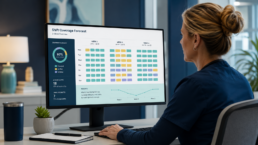
That bench changes the math on coverage. Managers stop assigning mandatory overtime to hold a unit together. A CNA who needs a lighter week takes one and keeps their income. Nobody works down a call list at 11 p.m.
What facility leaders can do this quarter
Start building the per diem bench now, while coverage still feels manageable. It absorbs census spikes without taxing your permanent team. It gives flexible clinicians predictable income, and it gives your nurse managers a morning that does not start with an open shift.
Boom is right that clinicians who are not well cannot deliver high-quality care. But no board resolution shows up on the unit at 6 a.m. The schedule does. Build the bench before the next surge, and your managers will feel it in the first week.